
Exploring the Latest Trends in Eco-Friendly Asphalt Solutions


Introduction to Eco-Friendly Asphalt
As environmental concerns continue to rise, the construction industry is exploring more sustainable practices. One area of innovation is in asphalt solutions, where eco-friendly alternatives are gaining traction. These new methods not only reduce the environmental impact but also enhance the durability and efficiency of paving projects.
Recycled Materials in Asphalt
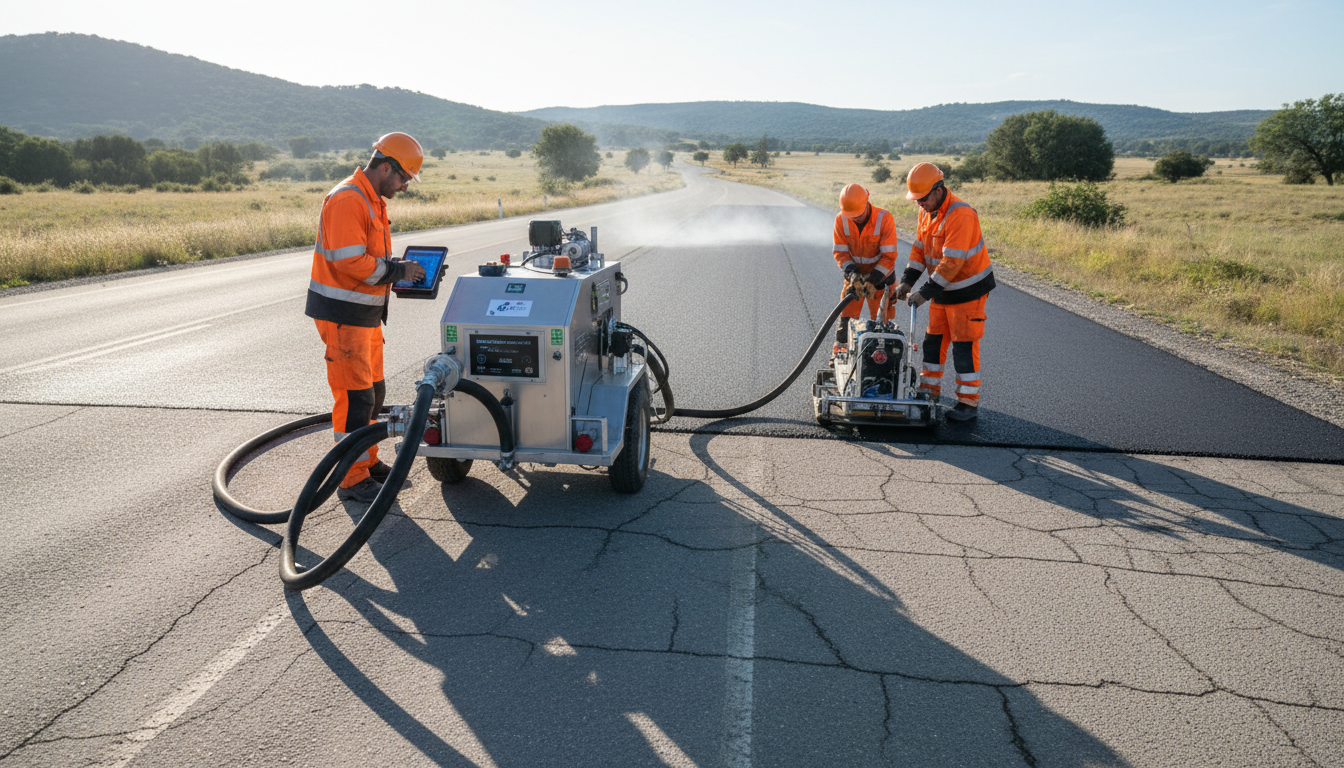
One of the primary trends in eco-friendly asphalt is the use of recycled materials. Incorporating recycled asphalt pavement (RAP) and recycled asphalt shingles (RAS) helps reduce waste and conserve natural resources. This approach not only minimizes landfill usage but also lowers the need for new materials, decreasing the overall carbon footprint of projects.
Benefits of Recycled Asphalt
- Cost-Effective: Utilizing recycled materials can significantly reduce project costs.
- Energy Efficient: Less energy is required to produce recycled asphalt compared to new asphalt.
- Environmentally Friendly: Reduces the environmental impact by conserving natural resources.
Warm Mix Asphalt Technology
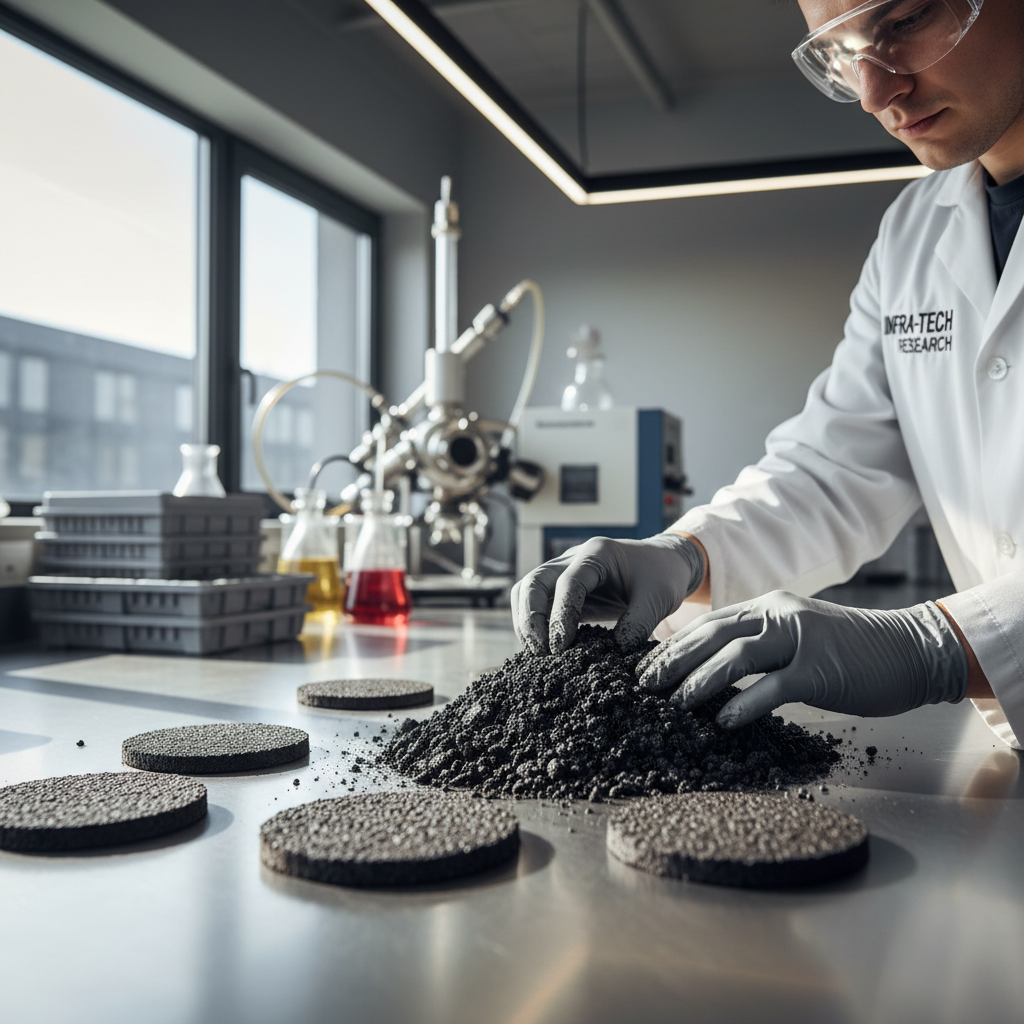
Warm Mix Asphalt (WMA) is another innovative solution that is gaining popularity. Unlike traditional hot mix asphalt, WMA is produced at lower temperatures, resulting in reduced energy consumption and lower greenhouse gas emissions. This technology allows for longer haul distances and extended paving seasons, making it both versatile and sustainable.
Advantages of Warm Mix Asphalt
WMA offers several benefits over traditional asphalt, including:
- Improved Workability: Easier to work with, especially in cooler climates.
- Enhanced Safety: Lower production temperatures reduce the risk of burns and heat-related illnesses.
- Extended Paving Season: Allows for more flexible scheduling of projects.
Bio-Based Additives
Incorporating bio-based additives into asphalt mixtures is another trend contributing to sustainability. These additives are derived from renewable resources, such as plant-based oils, and can improve the performance and longevity of asphalt pavements. By enhancing the material's flexibility and resistance to cracking, bio-based additives help create more robust and durable roadways.

Impact on Road Durability
Bio-based additives not only support environmental goals but also enhance the quality of asphalt:
- Increased Flexibility: Helps prevent cracking and extends the lifespan of pavements.
- Reduced Maintenance: Leads to fewer repairs and lower lifecycle costs.
Conclusion
The adoption of eco-friendly asphalt solutions is a promising step towards a more sustainable future in construction. By leveraging recycled materials, warm mix technology, and bio-based additives, the industry can significantly reduce its environmental impact while maintaining high standards of quality and performance. As these trends continue to evolve, they offer a glimpse into a greener, more efficient future for infrastructure development.